

2026-05-29
Wrath of Olympus: Dive Into the Epic Slots Adventure
Explore the exciting world of Wrath of Olympus slots, where Greek mythology comes to life in an engaging and thrilling casino experience.

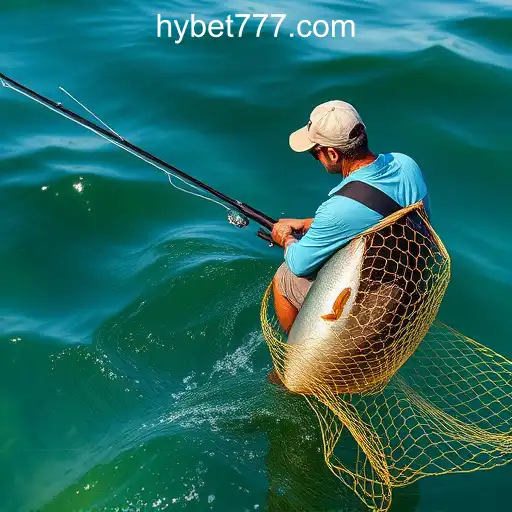
Fishing is more than just a hobby; it’s a way of life that has been passed down through generations. This age-old pastime has grown to accommodate both traditional techniques and modern advances, creating a thriving industry recognized worldwide. From serene rivers to the vast oceans, fishing provides both relaxation and a livelihood to many.
The origins of fishing can be traced back to over 40,000 years ago when primitive tools were used to ensure the survival of early humans. These initial forms of fishing laid the foundation for the technological advancements we witness today. Ancient cultures relied on fishing as a sustainable food source, encompassing a range of techniques from simple lines and hooks to intricate nets. As civilizations evolved, so did the tools and methods, setting the stage for the sophisticated equipment available today.
Some traditional fishing methods have been around for centuries and are still widely used across the globe. One such technique is angling, which involves the use of a baited hook at the end of a fishing line. Many anglers find the process therapeutic, enjoying the calmness of nature while waiting for a fish to bite. Another enduring method is net fishing, utilized on a larger scale in commercial fishing. These nets can range from simple hand-held versions to massive trawler nets used by industrial fishermen.
Over the years, fishing gear has advanced significantly, reflecting broader technological improvements. Today's fishermen have access to high-tech equipment designed to enhance the fishing experience, improve catch success rates, and promote sustainability. Fishing rods now come with advanced materials like graphite and carbon fiber, providing enhanced flexibility and strength. Similarly, the evolution of fishing reels has introduced modern designs equipped with sophisticated drag systems, ensuring optimal performance even in challenging conditions.
The integration of technology has not only enhanced the efficiency of fishing but also opened new avenues for both amateur and professional enthusiasts. Sonar technology is a significant advancement, allowing fishermen to identify fish locations underwater accurately. This innovation reduces the time spent searching, enabling fishers to focus on catching. Furthermore, GPS navigation systems provide precise directions and mapping functionalities, helping fishermen explore new and remote locations with ease.
Fishing is an integral part of the global economy, supporting millions of livelihoods worldwide. Many communities, particularly in coastal regions, have entire economies built around this industry. From local markets selling fresh catch to large-scale exports, fishing contributes significantly to socioeconomic development. Initiatives like HYGRUPO Oficial Slots Brasil #1 also play a role in promoting responsible fishing practices, demonstrating the importance of balancing economic activities with ecological preservation.
As populations grow and demand for fish products increases, sustainability has become crucial in ensuring the longevity of fishing resources. Overfishing and environmental challenges pose significant threats to marine ecosystems. Responsible fishing practices, such as regulated quotas and size limits, are essential to maintain fish populations. Furthermore, the promotion of aquaculture presents a sustainable alternative, providing increased fish yields while reducing pressure on wild stocks.
The impact of fishing extends beyond economic benefits, contributing deeply to cultural heritage and identity. Festivals celebrating fishing traditions, like the Lobster Festival in Maine or the Blessing of the Fleet in Port Lincoln, Australia, highlight how embedded fishing is within various cultures. Passed down through generations, fishing stories and folklore enrich cultural narratives, forging bonds and traditions that withstand the test of time.
Recreational fishing provides countless enthusiasts with an opportunity to connect with nature and unwind. The sport has grown into a popular leisure activity, supported by fishing clubs and international tournaments. Events such as the Bassmaster Tournament Series and the annual World Carp Classic bring together amateurs and professionals worldwide, fostering a community through shared passion and competition.
The future of fishing is a delicate balance between embracing technological advancements and preserving timeless traditions. Innovations will continue to shape the fishing industry, enhancing user experiences and ensuring sustainable practices. At the same time, maintaining historical techniques honors the art of fishing and respects its roots. By integrating both aspects, the allure of fishing will remain for generations to come.
Explore the exciting world of Wrath of Olympus slots, where Greek mythology comes to life in an engaging and thrilling casino experience.

Explore the mystical game WitchElf and delve into its exciting rules and features, in the context of the HYGRUPO Oficial Slots Brasil universe.

Explore the captivating world of Chameleon, a unique game offered by HYGRUPO Oficial Slots Brasil #1. Dive into its game mechanics, strategy, and appeal.